
Rules and permits in Smart locks and access
Can tenants change locks in BC? Rules for a Vancouver rental
Tenants can change locks in a Vancouver, BC rental only when the landlord agrees in writing or the director of the Residential Tenancy Branch has ordered the change. A smart lock counts, because the Residential Tenancy Act covers locks or other means of access, so codes and app access belong in that written agreement.
By the Saturn Home Automation team Updated
The rule in the Residential Tenancy Act
Section 31(3) of the BC Residential Tenancy Act sets the rule. A tenant must not change a lock or other means of access to their rental unit unless the landlord agrees in writing or the director has ordered the change.
The wording is “locks or other means of access”. On a plain reading, a smart lock’s codes, fobs and app access fit that phrase as well as a metal key does. That is a plain reading of the statute, not legal advice.
Landlord or tenant planning a smart lock in Vancouver?
Who may change which lock in a BC tenancy
- A tenant changing the unit's lock Needs the landlord's written agreement or an order from the director (RTA s. 31(3)). The Government of B.C. says a tenant can replace the locks only with the landlord's written permission or a Residential Tenancy Branch order.
- A tenant changing a common-area lock Needs the landlord's consent (RTA s. 31(2)).
- A landlord changing the unit's lock Needs the tenant's agreement, and the landlord must give the tenant new keys or other means of access (RTA s. 31).
- The start of a tenancy New tenants can ask the landlord to rekey the locks for free, and each tenant has the right to their own keys. A broken lock is an emergency repair for the landlord.
- A lock changed without permission The landlord can ask in writing for it to be changed back. Handing the landlord keys to the new lock works only if the lock does not use a master key.
- The end of a tenancy Tenants must return all keys to the landlord, even if the Residential Tenancy Branch ordered the lock change.
Who may change which lock
Each case has its own rule.
- Tenant, unit lock: written landlord agreement or a director’s order.
- Tenant, common-area lock: the landlord’s consent, under s. 31(2).
- Landlord, unit lock: the tenant agrees, and the landlord gives the tenant new keys or other means of access, under section 31.
So a landlord who wants a smart lock on a rental unit cannot simply install one. The tenant must agree, and a tenant must be given a way in, whether that is a key, a code or an app invitation.
A rental in a strata has a second layer. See strata smart lock rules for the strata’s side.
What happens if a lock is changed without permission
The Government of B.C. says changing locks without the landlord’s written permission or a Residential Tenancy Branch order can lead to eviction. If the landlord or emergency personnel must remove the door in an emergency, the tenant pays to reinstall it.
The landlord can ask in writing for the lock to be changed back. Handing the landlord keys to the new lock works only if the lock does not use a master key. A tenant can also apply to the Residential Tenancy Branch for an order to change the locks, and unlawful landlord entry is a common reason.
Start and end of a tenancy
At the start, new tenants can ask the landlord to rekey the locks for free, and each tenant has the right to their own keys. A broken lock is an emergency repair for the landlord.
At the end, tenants must return all keys to the landlord, and that applies even when the Residential Tenancy Branch ordered the lock change. With a smart lock, treat codes and app access the same way: list them in the agreement so both sides can remove them on move-out.
What to put in writing for a smart lock
Because the statute says “locks or other means of access”, the agreement should name the codes and app access as well as the physical keys. The Residential Tenancy Act words in section 31 are the starting point.
Write down these points before the lock goes on:
- which lock, and which door it replaces
- who holds the master code, and who may create codes
- how the old key or cylinder is kept, so the original lock can be put back
- when codes and app access end, and who removes them
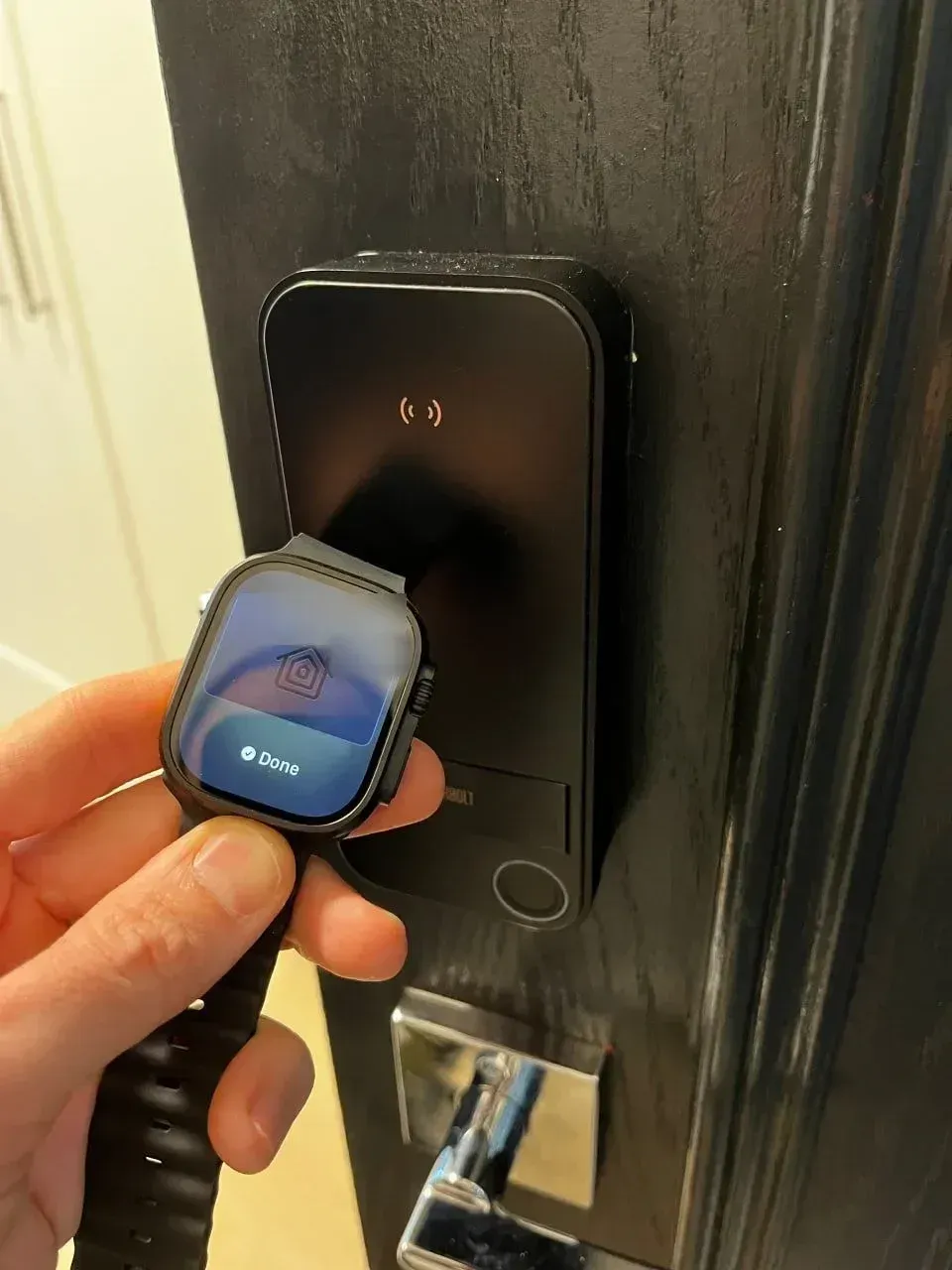
Time-limited codes are one fit. Saturn’s access system lets you create time-limited codes for cleaners, inspectors, staff and rental guests. The agreement can say who may issue them.
Tenant or landlord, you can start with smart lock installation in Vancouver. To compare the lock options first, read types of smart locks, or weigh whether a smart lock is worth it.
The service behind this guide
Questions people ask
Can a tenant change the locks without permission in BC?
No. A tenant needs the landlord's written agreement or a Residential Tenancy Branch order. The Government of B.C. says changing them without either can lead to eviction. The landlord can also ask in writing for the lock to be changed back.
Can a landlord install a smart lock on a rental unit in BC?
Only if the tenant agrees, and the landlord must give the tenant new keys or other means of access. Section 31 of the Residential Tenancy Act covers locks or other means of access. For a smart lock, agree in writing who holds the codes and app access.
Who pays for rekeying when a new tenant moves in?
The Government of B.C. says new tenants can ask the landlord to rekey the locks for free. Each tenant also has the right to their own keys. Ask in writing at the start of the tenancy so there is a record.
Can a tenant use a smart lock code with a cleaner or guest?
Time-limited codes exist for cleaners, inspectors, staff and rental guests, but the lock itself has to be agreed first. Once the landlord has approved the lock in writing, ask what the agreement says about who may create and share codes.