
Rules and permits in Planning, rules and support
Strata alteration agreement in Vancouver, BC: which smart home jobs need approval
A strata alteration agreement in Vancouver, BC is the written agreement your strata asks for when you alter the exterior or common property. The standard bylaws name no form for it. Under bylaw 5 the strata must not unreasonably withhold approval, but it may ask you to agree in writing to take responsibility for the related expenses.
By the Saturn Home Automation team Updated
What the standard bylaws require
Under BC’s standard bylaw 5, an owner must get the strata corporation’s written approval before some alterations to a strata lot. The list includes the exterior of a building, things attached to it, and doors, windows or skylights on the exterior or fronting common property. The strata must not unreasonably withhold that approval.
Bylaw 6 covers a second case. An owner needs written approval before altering common property, including limited common property, or common assets. Together they are the rules behind what people call a strata alteration agreement.
There is no form behind the phrase. The bylaws set the rule and let the strata attach one condition, so the “agreement” is whatever written terms your strata asks for.
Planning smart home changes in a Vancouver strata?
Which smart home jobs touch the standard strata bylaws
- First, check whether your strata filed its own bylaws The Strata Property Act s. 120 makes the Standard Bylaws your bylaws except to the extent different bylaws are filed in the land title office. Ask the strata manager for the current registered bylaws before you rely on anything below.
- A smart lock on an entry door that fronts common property Bylaw 5(1)(d) lists doors, windows or skylights on the exterior of a building, or that front on the common property. Whether your strata counts a lock swap as altering the door is its call, so get written approval first.
- An exterior camera or video doorbell on the building Bylaw 5(1)(b) lists the exterior of a building and 5(1)(c) lists things attached to it. A camera or doorbell fixed to the exterior may be the kind of change those lines describe, so ask in writing.
- Shades on an exterior skylight Bylaw 5(1)(d) names skylights on the exterior of a building. Ask before you add motors or fixings to one.
- Wiring or devices on common property or limited common property Bylaw 6(1) requires written approval before altering common property, including limited common property, or common assets. A balcony, a hallway or a wall shared with the building can fall here.
- What the strata may ask in return Bylaws 5(2) and 6(2) let the strata require, as a condition, that you agree in writing to take responsibility for any expenses relating to the alteration. Agree what that covers before the work.
- What the strata itself needs for a significant change Section 71 bars a strata from a significant change in the use or appearance of common property unless it is urgent for safety or loss, or a general meeting approves it by a 3/4 vote (a majority vote for EV charging infrastructure).
Which smart home jobs touch them
Most smart home work inside your own unit touches neither bylaw. The jobs that do are the ones that reach the exterior, a door that fronts common property, or shared parts of the building. The checklist on this page lists each one with the bylaw text it matches.
Three examples. A smart lock on a unit door that fronts a hallway involves a door bylaw 5(1)(d) lists; our guide to smart lock strata rules covers that case in full. For an exterior camera or doorbell, bylaw 5(1)(b) and (c) may apply, so ask the strata; see strata security cameras. Wiring or devices on a balcony that is limited common property, or on other common property, fall under bylaw 6(1).
Wiring has one more rule. Owners of a strata unit cannot get a Technical Safety BC electrical homeowner permit and must hire a licensed contractor. Technical Safety BC lists Vancouver among the places where you check with the municipality, so confirm permit questions with the City of Vancouver.
What the strata may ask for in return
The strata may require, as a condition of approval, that you agree in writing to take responsibility for any expenses relating to the alteration. Bylaw 6(2) says the same for common property. The standard bylaws state no amount.
Ask for the conditions in the same letter as the approval. If the work could affect the roof, a window seal or a shared wall, ask what the strata counts as a related expense. A written answer before the work protects both sides.
Before you write to your council, the free smart home consultation is where we talk through what a planned system involves. For bringing lights, locks, cameras and shades into one system, see system integration. Neither replaces the strata’s own approval.
Check whether your strata filed its own bylaws
The Standard Bylaws are your bylaws except to the extent that different bylaws are filed in the land title office. If your strata filed its own, those can add or change alteration rules.
A strata can also amend them. In a plan made up entirely of residential strata lots, an amendment needs a resolution passed by a 3/4 vote at an annual or special general meeting. Ask the strata manager for the current registered bylaws and any amendments, then read the alteration bylaw before you plan the work.
What the strata needs for its own changes
The strata has its own limit, in section 71. It must not make a significant change in the use or appearance of common property unless one of two things holds. Either the change is needed at once for safety or to prevent significant loss or damage, or a general meeting approves it. That takes a 3/4 vote, or a majority vote for EV charging infrastructure.
That matters when the strata itself proposes a building-wide smart lock, camera or intercom upgrade. The test is then section 71, not the owner bylaws, as the Greene case below shows.
Two tribunal outcomes, as examples only
Each decision turned on one strata’s own bylaws and facts, so neither predicts yours.
Todd v. Robertson, 2020 BCCRT 627, came down to a bylaw’s list. An owner complained about a camera on a neighbour’s patio. The Civil Resolution Tribunal found the patio was part of the neighbour’s own strata lot, and that strata’s alteration bylaw did not name camera installation among the changes needing approval. It dismissed the complaining owner’s claims; the camera had come down within about 24 hours.
Greene v. The Owners, Strata Plan BCS 3495, 2022 BCCRT 1170, is the strata’s side. The strata put cameras on exterior common property. Weighing criteria such as visibility and effect on owners, the tribunal held they were not a significant change in use or appearance under s. 71.
The shared lesson is to read your own bylaw’s list. This guide is general information about the Act and is not legal advice. For what to bring to a planning conversation, see the consultation checklist.
The services behind this guide
- Service Smart home consultation A free consultation online, at your home or another place you choose, to plan devices, automations and integration.
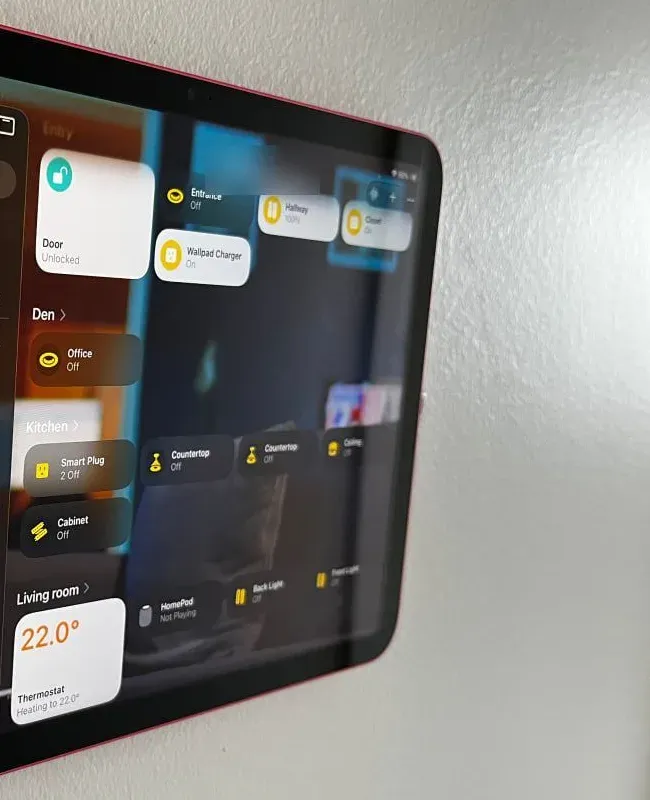
- Service System integration and automation setup Lights, shades, locks, cameras and climate brought into one system with wall panels, the Apple Home app and voice control.
Questions people ask
Is there a standard BC strata alteration agreement form?
The Standard Bylaws name none. Bylaws 5(2) and 6(2) only say the strata may require, as a condition of approval, that you agree in writing to take responsibility for expenses relating to the alteration. The wording is whatever your strata asks for, so request its template or its terms in writing.
Do I need strata approval to install a smart lock or doorbell camera?
Where the standard bylaws apply, bylaw 5(1)(d) needs written approval for alterations involving a door that fronts common property, and whether a lock swap counts is the strata's call. A camera or doorbell on the building exterior may be the kind of change bylaw 5(1)(b) and (c) describe, so ask in writing. A strata's own filed bylaws can differ, so check them first.
What can a strata ask for when it approves a smart home change?
Under bylaws 5(2) and 6(2), it may require you to agree in writing to take responsibility for any expenses relating to the alteration. Under bylaw 5 it must not unreasonably withhold approval. The standard bylaws state no amount or list, so ask the strata to spell out what it expects.
Can a strata change its bylaws to require approval for more things?
Yes. In a plan made up entirely of residential strata lots, bylaw amendments need a resolution passed by a 3/4 vote at an annual or special general meeting. That is why your strata's current registered bylaws matter more than any summary, including ours.