
Rules and permits in Security cameras and privacy
Security camera rules for businesses in Vancouver, BC
Security camera rules for businesses in Vancouver, BC come from the Personal Information Protection Act (PIPA). It applies to an organization's camera, while a home camera for personal purposes is outside it. PIPA lets a business collect only for purposes a reasonable person would find appropriate, and it must tell people the purpose before collecting.
By the Saturn Home Automation team Updated
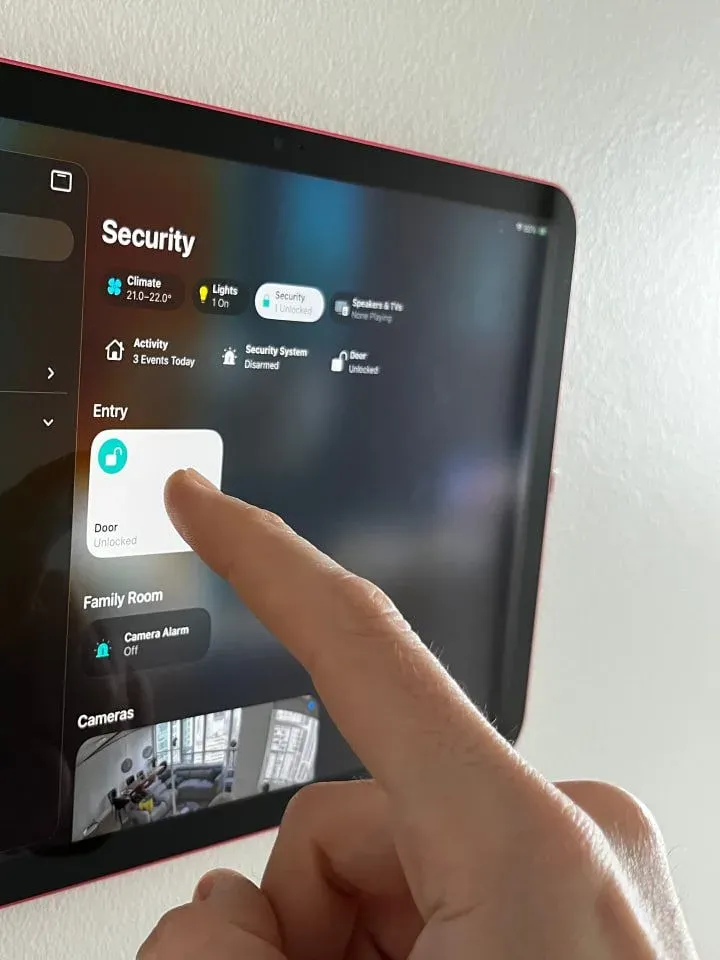
PIPA covers a business camera but not a personal home one
A business or organization that runs cameras in BC is subject to the Personal Information Protection Act, known as PIPA. A camera filming for an individual’s personal or domestic purposes and no other purpose is outside it. A shop, an office, a clinic or a home business is not that individual. For the home side, see security camera laws in BC.
This page quotes PIPA and the guidance of the Office of the Information and Privacy Commissioner (OIPC). It is not legal advice, and the OIPC or a lawyer is the authority for your premises. Saturn works on residential and commercial properties.
Planning security cameras for a Vancouver office or shop?
PIPA duties for a small business camera system in BC
- Set a purpose a reasonable person would accept PIPA s. 11 lets an organization collect personal information only for purposes a reasonable person would consider appropriate in the circumstances.
- Tell people the purpose before you collect PIPA s. 10(1) requires an organization, on or before collecting, to tell the individual the purposes and, on request, who can answer questions. The guidelines say most privacy laws require a clear notice about cameras before people enter.
- Name a person responsible and write the policy PIPA ss. 4-5 require someone designated for compliance with public contact information, policies and practices that are developed and followed, and a process for privacy complaints.
- Count live watching, even without recording Under PIPA and the other private-sector privacy laws, watching people through a video camera is subject to privacy law even when nothing is recorded.
- Limit aim and sound The guidelines say sound should not be recorded without a specific need. Cameras should not be aimed at areas with a heightened expectation of privacy, such as showers or into windows. A camera that captures sound needs to consider the Criminal Code on private communications.
- Secure the footage and destroy it on schedule PIPA ss. 34-35 require reasonable security arrangements, keeping information used to make a decision about a person for at least one year, and otherwise destroying it once its purpose and any legal or business need have passed.
- Run through the OIPC's 10 steps Consider less invasive options, set the business reason, write a policy, limit camera use and range, tell the public, store recordings securely and destroy them, answer questions, give people access to their images, train operators and review the need regularly.
A reasonable purpose and notice come before collecting
PIPA section 11 says an organization may collect personal information only for purposes a reasonable person would consider appropriate in the circumstances. Write down why you want the cameras, such as theft at the till, before you buy any.
Section 10(1) covers notice. On or before collecting personal information from an individual, an organization must tell the individual the purposes and, on request, who can answer questions about it. The guidelines say most privacy laws require a clear notice about cameras before people enter the premises, with a contact for questions or access requests.
Someone must be responsible, with a policy and complaint process
PIPA sections 4 and 5 require an organization to designate someone responsible for compliance and make that position’s contact information public. It must develop and follow privacy policies and practices and have a process for privacy complaints.
Aim, sound and live watching all have limits
The guidelines say sound should not be recorded unless there is a specific need. They say cameras should not be aimed at areas with a heightened expectation of privacy, such as showers or into windows, and call surveillance in a public washroom inappropriate. An organization whose camera captures sound needs to consider the Criminal Code provisions on private communications. Our guide to whether doorbell cameras record audio sets out the statute’s test.
Watching counts too. Under PIPA and the other private-sector privacy laws, watching people through a video camera is subject to privacy law even when nothing is recorded. A live monitor is not a way around the duties above.
Storage, retention and the OIPC’s 10 steps
PIPA sections 34 and 35 require reasonable security arrangements for personal information. Information used to make a decision about a person must be kept for at least one year. Otherwise it must be destroyed once its purpose and any legal or business need have passed. The guidelines add that recordings should be kept only as long as needed for their purpose and then securely destroyed.
The OIPC’s Guidelines for Overt Video Surveillance in the Private Sector (March 2008) list 10 things to do. Consider less invasive options, set the business reason, write a policy and limit camera use and range. Tell the public, store recordings securely and destroy them when no longer needed. Answer questions, give people access to their images, train operators and review the need regularly. The checklist above turns those into questions to answer before you mount a camera.
The guidelines apply to organizations filming the public in publicly accessible areas. They do not cover covert surveillance or employee surveillance. For cameras that watch staff, ask the OIPC.
When the questions above are answered, security camera installation in Vancouver covers the cameras and setup Saturn offers. The PIPA policy stays yours to write and keep.
The service behind this guide
Questions people ask
Do I need a sign for security cameras at my business in BC?
The OIPC's private-sector guidelines say most privacy laws require a clear notice about cameras before people enter the premises, with a contact for questions or access requests. PIPA s. 10(1) also requires telling people the purpose of collection on or before collecting. Check the wording with the OIPC or a lawyer.
How long can a business keep camera footage in BC?
PIPA ss. 34-35 require keeping information used to make a decision about a person for at least one year. Otherwise it is destroyed once its purpose and any legal or business need have passed. The guidelines say recordings be kept only as long as needed, so set your own retention period and write it into your camera policy.
Does a camera that only shows a live view fall under PIPA?
Yes. The OIPC's guidelines say that under PIPA and the other private-sector privacy laws, watching people through a video camera is subject to privacy law even when nothing is recorded. Live viewing alone does not take a camera outside the rules.